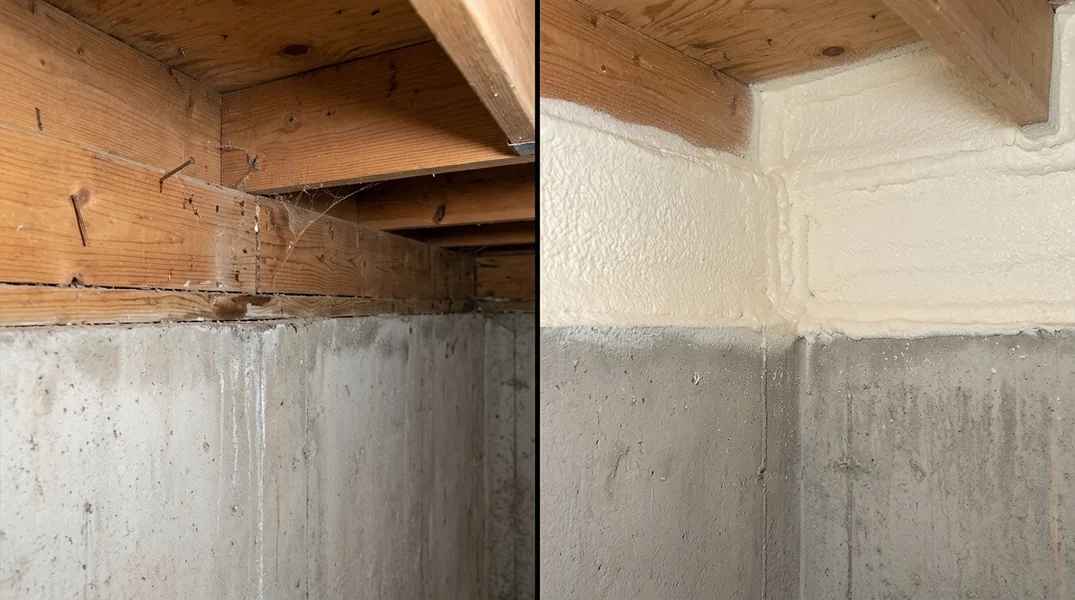
Understanding Spray Foam Insulation Types
Attic spray foam insulation has become one of the most effective ways to improve home energy efficiency and comfort in Bloomington. However, not all spray foam is created equal. The two primary types available to homeowners are open cell and closed cell spray foam, and each offers distinct advantages and disadvantages depending on your specific situation.
When you're evaluating spray foam attic insulation options, understanding the fundamental differences between these two types is essential. Open cell foam has a lower density and contains cells that are not completely sealed, allowing air and moisture to pass through to some degree. Closed cell foam, by contrast, has a higher density with cells that are completely sealed, creating a more rigid barrier that resists moisture and air infiltration. Both types can transform your attic into a more energy-efficient space, but the choice depends on your home's unique needs, local climate conditions, and budget considerations.
What Is Open Cell Spray Foam Insulation?
Open Cell Spray Foam Insulation is a lighter, softer material that expands significantly after application. The cells within the foam are not completely sealed, which means the material remains somewhat permeable. This characteristic makes it an excellent choice for interior applications where vapor permeability is desirable. Open cell foam typically has an R-value of approximately 3.5 to 3.6 per inch, making it a solid performer for attic insulation without breaking the bank.
One of the biggest advantages of open cell foam is its cost effectiveness. It generally costs less per board foot than closed cell alternatives, making it an attractive option for homeowners in Bloomington who want to improve their attic insulation without a massive investment. Additionally, open cell foam provides excellent sound dampening properties, which can reduce noise transmission between floors and from outside. The material is also easier to cut and install around obstacles, and it allows your attic to maintain some moisture permeability, which can be beneficial in certain climates where humidity management is important.
The Benefits and Drawbacks of Closed Cell Spray Foam
Closed Cell Spray Foam Insulation is a denser, more rigid material that provides superior insulation performance and structural support. With an R-value of approximately 6.0 to 6.5 per inch, closed cell foam delivers nearly double the insulating power of open cell foam in the same thickness. This higher performance makes it ideal for attics where space is limited or where maximum thermal resistance is a priority.
The primary advantage of closed cell foam is its exceptional moisture resistance. Because the cells are completely sealed, water cannot penetrate the material, making it an excellent choice for unvented attic spray foam applications. This moisture barrier also means closed cell foam won't absorb water or support mold growth, providing long-term durability and protection for your attic structure. Additionally, closed cell foam adds structural rigidity to your attic, which can help reinforce the roof deck and improve overall home stability. The trade-off is that closed cell foam costs significantly more than open cell, typically two to three times the price per board foot, which is an important consideration when budgeting for your insulation project.
Climate Considerations for Bloomington Homeowners
The climate in Indiana plays a significant role in determining which spray foam type is best for your home. Bloomington experiences four distinct seasons with cold, snowy winters and warm, humid summers. These climate conditions create specific challenges for attic insulation, including temperature fluctuations, moisture management, and the potential for ice dams during winter months.
For many Bloomington homes, closed cell spray foam is often the superior choice because of its superior moisture resistance and air sealing properties. The ability to create a completely sealed attic environment helps prevent warm, moist air from escaping through the attic during winter, which reduces heating costs and eliminates ice dam formation at the eaves. During summer months, the vapor barrier prevents humid outdoor air from entering the attic space, reducing cooling costs and preventing condensation issues. However, if your home has adequate ventilation and you're primarily concerned with thermal performance and cost, open cell foam can still be an effective solution. The best approach is to have a professional assess your specific attic conditions, existing ventilation, and moisture patterns before making a final decision.
Attic Spray Foam Insulation Cost in Bloomington: What to Budget
Cost is a critical factor for most homeowners when considering any home improvement project. The pricing for spray foam attic insulation varies considerably depending on the type of foam, the square footage of your attic, the desired R-value, and any existing insulation that needs to be removed or worked around. Open cell foam typically costs between $0.50 and $1.00 per board foot, while closed cell foam generally ranges from $1.50 to $3.00 per board foot. For a typical 1,200 square foot attic, you might expect to spend anywhere from $2,500 to $8,000 or more, depending on which type you choose and the specific requirements of your space.
While closed cell foam represents a larger upfront investment, many homeowners find the long-term energy savings justify the expense. Closed cell foam can reduce heating and cooling costs by 20 to 40 percent, depending on your current insulation levels and energy usage patterns. Open cell foam, while less expensive initially, typically delivers 10 to 20 percent energy savings. When you factor in the durability, moisture resistance, and structural benefits of closed cell foam, the higher initial cost often translates to better long-term value. To understand the true cost-benefit analysis for your specific situation, we recommend getting a free estimate from Bloomington Spray Foam Insulation. Our team can evaluate your attic, discuss your budget, and recommend the option that provides the best return on investment for your home.
Making Your Decision: Which Type Is Right for You?
Choosing between open cell and closed cell spray foam ultimately depends on your priorities, budget, and specific home conditions. If you're primarily concerned with cost and your attic has good existing ventilation, open cell foam offers a budget-friendly solution that still delivers solid insulation performance. If you're willing to invest more upfront for superior performance, moisture protection, and long-term durability, closed cell foam is the premium choice that creates a true sealed attic insulation system.
The best way to determine which option is right for your Bloomington home is to consult with experienced professionals who understand local building conditions and climate challenges. Bloomington Spray Foam Insulation has the expertise to assess your attic, identify potential issues like air leaks or moisture problems, and recommend the spray foam solution that will provide the maximum benefit for your investment. Whether you choose open cell or closed cell foam, proper installation is crucial to achieving the performance benefits you expect. We encourage you to contact us at (812) 318-1765 or visit our website to discuss your attic insulation needs and get started on improving your home's comfort and energy efficiency today.
Looking for a professional spray foam insulation contractor in Bloomington? Bloomington Spray Foam Insulation responds fast for all your spray foam insulation needs.
Get a Free Quote